
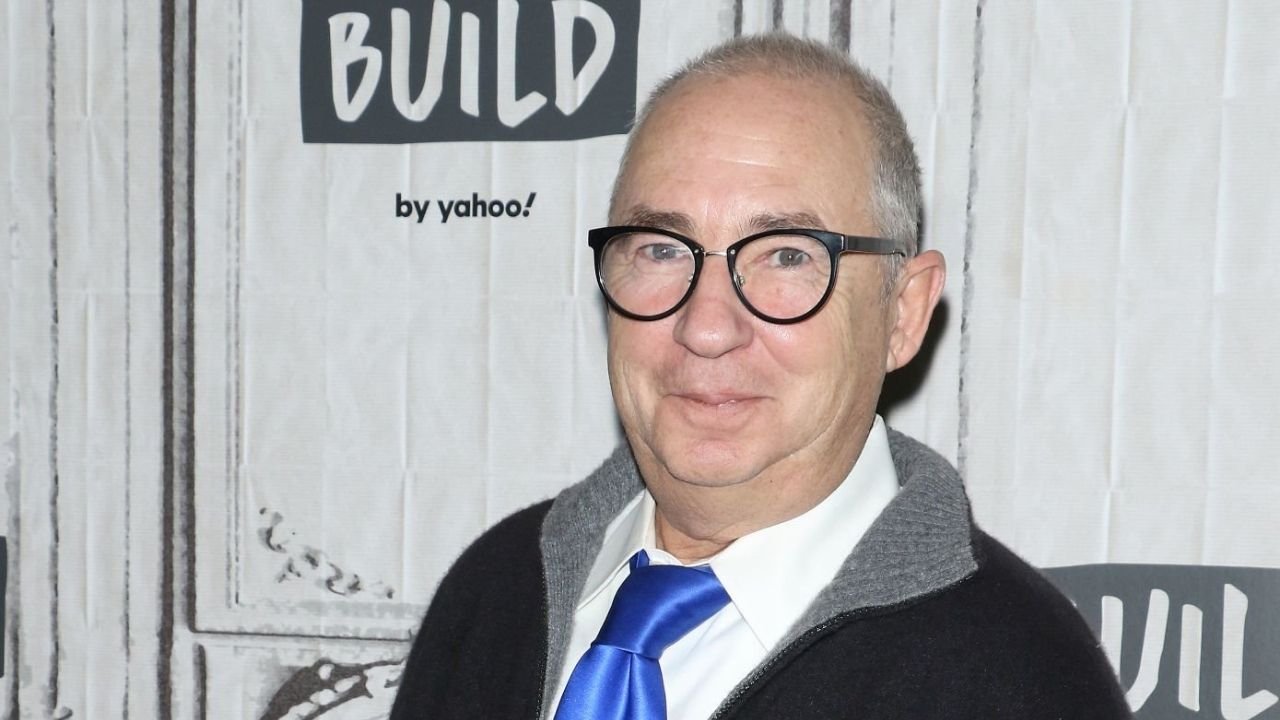
Barry Sonnenfeld is an American filmmaker whose career has taken him from cinematography to some of Hollywood’s most recognizable comedy, fantasy, and science-fiction films. He first gained attention behind the camera as the cinematographer of several influential movies, including films made by Joel and Ethan Coen. He later became a director and established himself with movies such as The Addams Family, Get Shorty, and the original Men in Black trilogy.
Sonnenfeld’s career is particularly interesting because directing was not originally his main ambition. His early work in cinematography gave him a strong understanding of visual storytelling, composition, lighting, and camera movement. Those skills later became important elements of his directing style.
Beyond film, Sonnenfeld has also worked extensively in television and has written memoirs about his unusual childhood, Hollywood experiences, and journey through the entertainment industry. His story blends professional achievement, humor, personal challenges, and decades of filmmaking experience.
Who Is Barry Sonnenfeld?
Barry Sonnenfeld is a filmmaker, director, producer, cinematographer, and writer who has worked in the entertainment industry since the late 1970s. He was born on April 1, 1953, in New York City, New York.
Sonnenfeld studied at Hampshire College before attending New York University’s film school. After completing his education, he began developing his skills as a cinematographer. His early professional work eventually brought him into contact with the Coen brothers, an association that became an important milestone in his career.
According to the publisher’s biography, Sonnenfeld worked as cinematographer on the Coen brothers’ first three films: Blood Simple, Raising Arizona, and Miller’s Crossing. He also served as director of photography on films such as Throw Momma from the Train, Big, When Harry Met Sally, and Misery.
Barry Sonnenfeld Early Life and Education
Sonnenfeld grew up in New York City and later attended Hampshire College. He later enrolled at New York University’s film school, where he developed his interest in and skill in cinematography.
His education mattered because cinematography became his entry point into professional filmmaking. Rather than becoming a director right away, he learned the technical and creative aspects of working behind the camera.
His memoir, Barry Sonnenfeld, Call Your Mother: Memoirs of a Neurotic Filmmaker, provides a much more personal account of his childhood and early years. The book describes his upbringing in New York, his time as a French horn player, his experiences at NYU, and the unconventional path that eventually led him to Hollywood.
Barry Sonnenfeld’s Career as a Cinematographer
Before becoming a well-known director, Barry Sonnenfeld established himself as a cinematographer.
A defining stage of his early career was his collaboration with Joel and Ethan Coen. He photographed their first three feature films, beginning with Blood Simple and continuing with Raising Arizona and Miller’s Crossing.
These projects helped demonstrate Sonnenfeld’s ability to create distinctive visual environments while supporting the unusual tone of the filmmakers’ stories.
His cinematography credits also include several major productions from the 1980s and early 1990s. His work on Big, When Harry Met Sally, Misery, and Throw Momma from the Train further established his reputation as a skilled director of photography.
This experience later gave Sonnenfeld a useful advantage when he moved into directing. His understanding of cameras and visual composition became central to his filmmaking identity.
Barry Sonnenfeld and the Coen Brothers
The professional relationship between Barry Sonnenfeld and the Coen brothers was one of the most significant parts of his early career.
Working with Joel and Ethan Coen gave Sonnenfeld the chance to contribute to films with strong visual and stylistic identities. Blood Simple, Raising Arizona, and Miller’s Crossing are now regarded as important works from the early period of the Coen brothers’ careers.
Working with them also helped Sonnenfeld build relationships within the film industry. His transition from cinematographer to director eventually became the next major stage of his career.
Barry Sonnenfeld’s Directorial Debut
Barry Sonnenfeld made his feature-film directing debut with The Addams Family in 1991.
The movie was an important turning point. Sonnenfeld moved from cinematography to directing the overall production and creative direction.
The Addams Family became a major success and demonstrated that Sonnenfeld could bring his distinctive visual sensibility to a large mainstream production. He subsequently returned to direct Addams Family Values in 1993.
His move into directing was somewhat unexpected because, according to the publisher’s description of his memoir, Sonnenfeld had not initially planned to direct. Producer Scott Rudin ultimately convinced him to direct The Addams Family.
Barry Sonnenfeld and Get Shorty
Another important project in Sonnenfeld’s directing career was Get Shorty, released in 1995.
Based on the novel by Elmore Leonard, the film combined crime, comedy, and Hollywood satire. It starred John Travolta, Gene Hackman, Rene Russo, and Danny DeVito.
The movie was well received and helped strengthen Sonnenfeld’s reputation as a director who could balance unusual humor with mainstream entertainment.
His ability to work within comedy while maintaining a distinctive visual style became a recurring characteristic of his career.
Barry Sonnenfeld and Men in Black
For many audiences, Barry Sonnenfeld is best known for directing the original Men in Black films.
The first Men in Black was released in 1997 and starred Will Smith and Tommy Lee Jones. The science-fiction comedy became a major commercial and critical success.
Sonnenfeld later directed Men in Black II (2002) and Men in Black 3 (2012). Together, these films tied him closely to one of the era’s most recognizable science-fiction comedy franchises.
IMDb’s biography notes that Steven Spielberg asked Sonnenfeld to direct Men in Black after his success with Get Shorty. The film became a major success.
The Men in Black movies also showcased Sonnenfeld’s ability to combine visual effects, action, comedy, unusual characters, and mainstream storytelling.
Other Movies Directed by Barry Sonnenfeld
Although The Addams Family and Men in Black are among his best-known works, Sonnenfeld has directed many other films.
His feature-film directing credits include:
- The Addams Family (1991)
- Addams Family Values (1993)
- For Love or Money (1993)
- Get Shorty (1995)
- Men in Black (1997)
- Wild Wild West (1999)
- Big Trouble (2002)
- Men in Black II (2002)
- RV (2006)
- Men in Black 3 (2012)
- Nine Lives (2016)
These projects demonstrate the range of genres he has worked in, from family comedy and crime stories to science fiction and broad Hollywood comedy.
Barry Sonnenfeld’s Television Career
Sonnenfeld has also had a substantial television career.
One of his most notable television projects was Pushing Daisies, a fantasy comedy-drama that premiered in 2007. Sonnenfeld directed episodes and served as an executive producer. His work on the series earned him a Primetime Emmy.
The series was notable for its unusual visual style, whimsical storytelling, and colorful characters. These qualities fit naturally with Sonnenfeld’s established interest in combining comedy with distinctive visual presentation.
He later worked on Netflix’s A Series of Unfortunate Events, continuing his work in television production and direction. His television career demonstrates that his filmmaking interests extended beyond theatrical movies.
Barry Sonnenfeld’s Wife and Family
Barry Sonnenfeld has generally kept much of his family life away from the level of publicity associated with his professional career.
IMDb lists Susan Ringo as his spouse, with their marriage beginning in April 1989. The same biographical information identifies their child as Chloe Sonnenfeld.
While Sonnenfeld has occasionally discussed his family and personal experiences publicly, particularly through his memoirs and interviews, much of his professional public profile remains centered on filmmaking.
His long marriage is also a notable part of his personal biography because it has continued alongside a career spanning several decades in Hollywood.
Barry Sonnenfeld’s Memoir
In 2020, Sonnenfeld published Barry Sonnenfeld, Call Your Mother: Memoirs of a Neurotic Filmmaker.
The book offers a candid, often humorous look at his life. It covers his childhood in New York, his education, early filmmaking experiences, relationships with filmmakers, and eventual rise to directing major Hollywood productions. Grand Central Publishing published the book, and it is 368 pages long.
The memoir is especially useful for understanding the person behind the filmmaker. Instead of presenting his career as a straightforward success story, Sonnenfeld discusses difficult experiences, personal insecurities, family relationships, and the unexpected turns that shaped his professional life.
The title itself comes from an unusual incident involving his mother and a Jimi Hendrix concert when Sonnenfeld was a teenager. He later used the experience as the title for his memoir.
Barry Sonnenfeld’s Filmmaking Style
One characteristic that distinguishes Barry Sonnenfeld’s work is his blend of visual creativity and comedy.
His background as a cinematographer shaped his directing style. His films frequently feature distinctive camera angles, stylized compositions, exaggerated characters, and an offbeat sense of humor.
His work often sits between conventional Hollywood entertainment and unusual visual storytelling. The Addams Family and Men in Black are good examples because both combine mainstream entertainment with eccentric characters and highly recognizable visual worlds.
IMDb also identifies his tendency to give mainstream films an offbeat quality and notes his use of low camera angles for comic effect.
Barry Sonnenfeld’s Legacy in Hollywood
Barry Sonnenfeld’s career is notable because he successfully transitioned from cinematographer to director.
His early work behind the camera gave him experience with some influential filmmakers and productions. He then used that experience to direct successful films of his own.
His contribution to popular culture is particularly visible through The Addams Family and Men in Black. Both franchises became strongly associated with distinctive characters, comedy, unusual worlds, and memorable visual styles.
At the same time, his work on Get Shorty, Pushing Daisies, and A Series of Unfortunate Events demonstrates that his career cannot be reduced to a single franchise.
Conclusion
Barry Sonnenfeld has built a remarkable career across film and television. Beginning as a cinematographer, he worked on major productions and collaborated with the Coen brothers before transitioning to directing. His directorial breakthrough came with The Addams Family, followed by projects such as Get Shorty and the original Men in Black trilogy.
You May Also Read: Alejandra Amarilla: Biography, Career, Family and Life Beyond the Spotlight
