
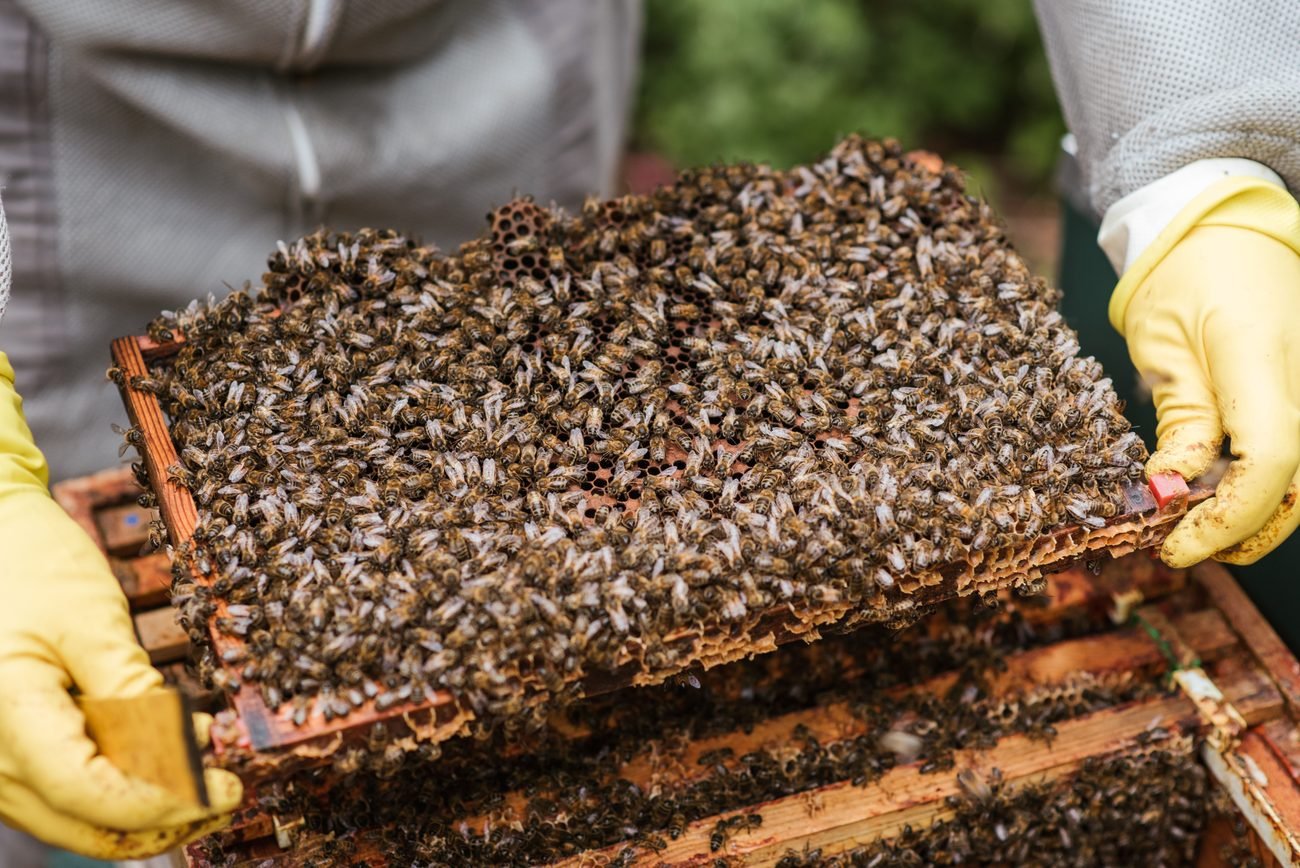
When most people begin researching beekeeping, they focus on hives, bees, and honey production. While those components are certainly important, one tool stands out as absolutely essential for safe and successful hive management: the bee smoker. Understanding why this simple device is so important can help new beekeepers start their journey with greater confidence and fewer challenges.
The Bee Smoker Is the Most Important Beginner Tool
The bee smoker is widely considered one of the most important tools in beekeeping. Its purpose is simple but highly effective. By producing cool smoke, the smoker helps calm honey bees and reduces defensive behavior during hive inspections.
Honey bees communicate danger through alarm pheromones. When a bee perceives a threat, it releases these chemical signals, alerting other bees in the colony to defend the hive. Smoke interrupts this communication process, making it more difficult for bees to coordinate a defensive response. As a result, beekeepers can inspect frames, check brood patterns, and perform maintenance tasks with less disruption to the colony.
For beginners especially, a smoker can make the difference between a calm hive inspection and a stressful experience filled with defensive bees.
Why Smoke Calms Bees
The effectiveness of smoke is rooted in natural honey bee behavior. When bees detect smoke, they instinctively prepare for the possibility of abandoning the hive due to a nearby wildfire or environmental threat. In response, they begin consuming honey stores as a survival measure.
Bees that have filled themselves with honey tend to be less aggressive and less likely to sting. At the same time, the smoke masks alarm pheromones, preventing defensive signals from spreading throughout the colony.
This combination creates a calmer environment that allows beekeepers to work more efficiently while reducing stress on the bees.
Choosing the Right Bee Smoker
Bee smokers come in several sizes and styles, but most hobbyist beekeepers begin with a standard bellows smoker. These units feature a metal chamber where fuel is burned and a hand-operated bellows that directs smoke through a nozzle.
Common fuel options include:
- Pine needles
- Untreated burlap
- Wood shavings
- Straw
- Pine cones
- Dried leaves
The goal is to produce cool, white smoke rather than hot or harsh smoke. Materials containing chemicals, paints, or treatment agents should never be used because they can harm bees and contaminate the hive environment.
A quality smoker is relatively affordable and often lasts for many years when properly maintained.
Proper Smoker Maintenance
A bee smoker requires very little maintenance, but regular care helps ensure reliable performance.
After each use:
- Remove excess ash and fuel residue.
- Check air vents for blockages.
- Inspect the bellows for cracks or leaks.
- Clean the chamber periodically to prevent buildup.
Proper storage is also important. Keeping your smoker in a dry location helps prevent rust and extends the life of the equipment. A well-maintained smoker can remain functional through many beekeeping seasons.
Other Essential Beginner Equipment
While the smoker is arguably the most important beekeeping tool, several other pieces of equipment are necessary for safe and effective hive management.
Protective Gear
Most beginners should invest in:
- Bee suit or jacket
- Veil
- Gloves
- Protective boots
These items reduce the risk of stings and help new beekeepers feel more comfortable during inspections.
Hive Tool
A hive tool is used to separate frames, scrape wax and propolis, and open hive boxes that bees have sealed together.
Hive Equipment
You’ll also need:
- Hive boxes
- Frames
- Foundation
- Feeders
- Bee brush
Together, these items form the foundation of a successful beekeeping setup.
Looking Ahead to Honey Harvesting
As your colony grows and begins producing surplus honey, additional equipment becomes useful. One of the most valuable harvesting tools is a honey extractor, which uses centrifugal force to remove honey from comb while preserving the frame structure. This allows the bees to reuse the comb, saving them valuable energy and increasing future honey production.
Although a honey extractor is not necessary when starting out, many beekeepers eventually add one once their hives produce enough honey to justify harvesting.
Conclusion
If you are preparing to enter the world of beekeeping, the bee smoker should be at the top of your equipment list. Few tools have a greater impact on safety, hive management, and beekeeper confidence. By calming bees, reducing defensive behavior, and making inspections more manageable, the smoker creates a foundation for successful colony care.
Combined with proper protective equipment, basic hive tools, and continued learning, a quality bee smoker helps new beekeepers build the skills and confidence needed to enjoy this fascinating and rewarding hobby.
