
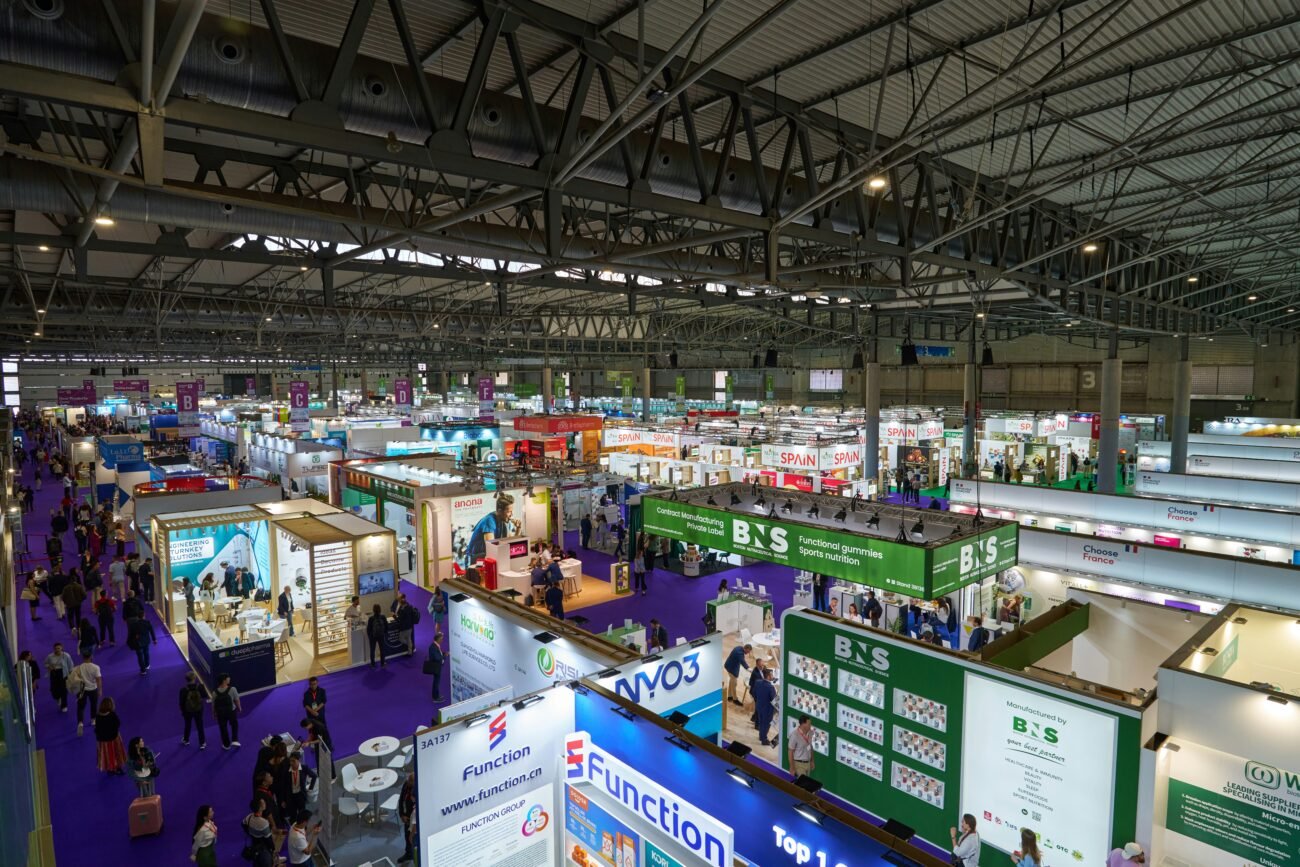
Trade shows remain one of the most effective marketing channels for businesses seeking to increase visibility, connect with potential customers, and strengthen their position within a competitive marketplace. Unlike many forms of digital marketing, trade shows provide face-to-face opportunities to engage with prospects, showcase expertise, and create memorable experiences that leave lasting impressions.
However, simply attending a trade show does not automatically lead to greater brand awareness. With numerous exhibitors competing for attention, organizations must take a thoughtful and strategic approach to ensure their brand stands out. By focusing on visual presentation, audience engagement, consistent messaging, and post-event follow-up, businesses can maximize their exposure and achieve stronger recognition among attendees.
Create a Strong Visual Presence
One of the fastest ways to improve brand awareness at a trade show is through a visually appealing exhibit. Visitors are often exposed to dozens or even hundreds of companies during an event, making first impressions extremely important.
An attractive exhibit should incorporate consistent branding elements, including company colors, logos, messaging, and graphics. These visual components help attendees identify and remember a brand long after the event has ended. Large, clear signage also makes it easier for visitors to recognize your company from a distance.
Businesses that invest in professional trade show booths often create a more polished appearance that communicates credibility and professionalism. An organized, inviting environment encourages attendees to stop, explore, and engage with company representatives.
Lighting, display placement, and open layouts can further enhance visibility and create an experience that attracts visitors naturally. The goal is to create a space that immediately captures attention while clearly communicating what the company offers.
Deliver Memorable Experiences
A memorable experience can significantly strengthen brand recall. Attendees are more likely to remember companies that provide engaging activities rather than relying solely on brochures and promotional materials.
Interactive demonstrations, hands-on product testing, and live presentations allow visitors to actively participate rather than simply observe. These experiences create stronger emotional connections and increase the likelihood that attendees will remember the brand after leaving the event.
Educational content can also be highly effective. Workshops, expert discussions, and practical demonstrations provide value while positioning the company as a knowledgeable resource within the industry. When attendees learn something useful, they are more likely to associate positive feelings with the brand.
Even simple interactions can leave lasting impressions when they are personalized, engaging, and relevant to attendee interests.
Maintain Consistent Brand Messaging
Consistency is essential when building brand awareness. Every interaction, visual element, and piece of marketing material should reinforce the same core message.
Attendees should quickly understand who the company is, what it offers, and why it is different from competitors. When messaging varies across displays, presentations, and conversations, brand recognition can become diluted.
Training event staff is an important part of maintaining consistency. Team members should be prepared to communicate key messages clearly and confidently while adapting conversations to the needs of individual visitors.
Printed materials, digital content, presentations, and promotional items should all support a unified narrative. Consistent messaging helps reinforce brand identity and makes it easier for attendees to remember the organization after the event.
Encourage Meaningful Engagement
Building brand awareness involves more than simply increasing visibility. Meaningful engagement creates stronger connections and often has a greater impact on attendee perceptions.
Rather than focusing exclusively on sales conversations, exhibitors should prioritize relationship building. Asking thoughtful questions, listening actively, and providing valuable insights help establish trust while demonstrating genuine interest in visitor needs.
Interactive activities can create natural opportunities for engagement. Contests, surveys, demonstrations, and educational sessions encourage participation while giving staff members reasons to interact with attendees.
The longer a visitor remains engaged, the more opportunities exist for the brand message to be reinforced. Positive interactions often transform casual visitors into prospects who remember the company favorably and seek future contact.
Extend Awareness Beyond the Event
Many businesses focus heavily on trade show activities but overlook opportunities to continue brand exposure afterward. Effective follow-up plays a major role in maximizing awareness generated during the event.
Social media engagement before, during, and after the show can significantly expand reach. Sharing photos, event highlights, educational content, and attendee interactions helps maintain visibility beyond the exhibit floor.
Email campaigns can also reinforce brand recognition by thanking visitors, sharing resources, and continuing conversations initiated during the event. Personalized follow-up communications demonstrate professionalism while keeping the company top of mind.
In addition, event-generated content can be repurposed for future marketing campaigns, creating ongoing value and extending the impact of trade show participation. Businesses that view trade shows as part of a broader marketing strategy often achieve stronger and more sustainable brand awareness results.
Conclusion
Improving brand awareness at trade shows requires more than simply securing exhibit space. Organizations that focus on creating a strong visual presence, delivering memorable experiences, maintaining consistent messaging, encouraging meaningful engagement, and extending visibility beyond the event can significantly enhance their impact. By approaching trade shows strategically and prioritizing attendee experiences, businesses can strengthen recognition, build credibility, and create lasting impressions that support future growth and long-term success.
