
Meeting someone new used to depend on friends, workplaces, or pure luck. Now a lot of people just open an app on the couch and start swiping. Tinder has been at the center of that shift for years, and its approach to introductions is still one of the simplest around.
The idea sounds basic, but plenty of small design choices make it work. If you’re curious about extra features, a Tinder subscription is one option, though the core experience works fine without paying. Here’s how the app helps people find each other.
The Swipe System Keeps Things Simple
Tinder’s biggest strength is how fast it is. You see a photo, a short bio, and a few details, then decide. Swipe right if you’re interested, left if not. There’s no long questionnaire and no pressure to write a paragraph about yourself on day one.
That speed lowers the barrier for shy people. Starting a conversation cold is hard, but a mutual swipe tells both sides there’s some interest already. It removes the awkward question of whether the other person wants to talk at all.
The match only happens when both people swipe right, which also saves you from unwanted messages. Nobody can contact you unless you’ve shown interest first, and that mutual setup is a big reason the app feels manageable.
Profiles, Photos, and First Impressions
Your profile is basically your opening line. Tinder lets you add several photos, a bio, interests, and other details that give people something to talk about. Profiles with clear photos and a few specific interests usually get better conversations than ones with a single blurry picture.
The interest tags are especially handy. If someone lists hiking, anime, or cooking and you share one, you’ve got an easy first message. Instead of “hey,” you can ask about their favorite trail. It’s a small thing, but it makes openers feel less forced.
Location and Distance Settings
Tinder shows people who are near you, and you can adjust the distance range and age preferences. This keeps your feed relevant and makes in-person meetups realistic. Someone five miles away is far easier to meet for coffee than someone in another country.
If you want a wider net, you can expand the range. If you only care about people in your neighborhood, narrow it. Playing with these settings is one of the easiest ways to improve what shows up on your screen.
Features That Help Conversations Start
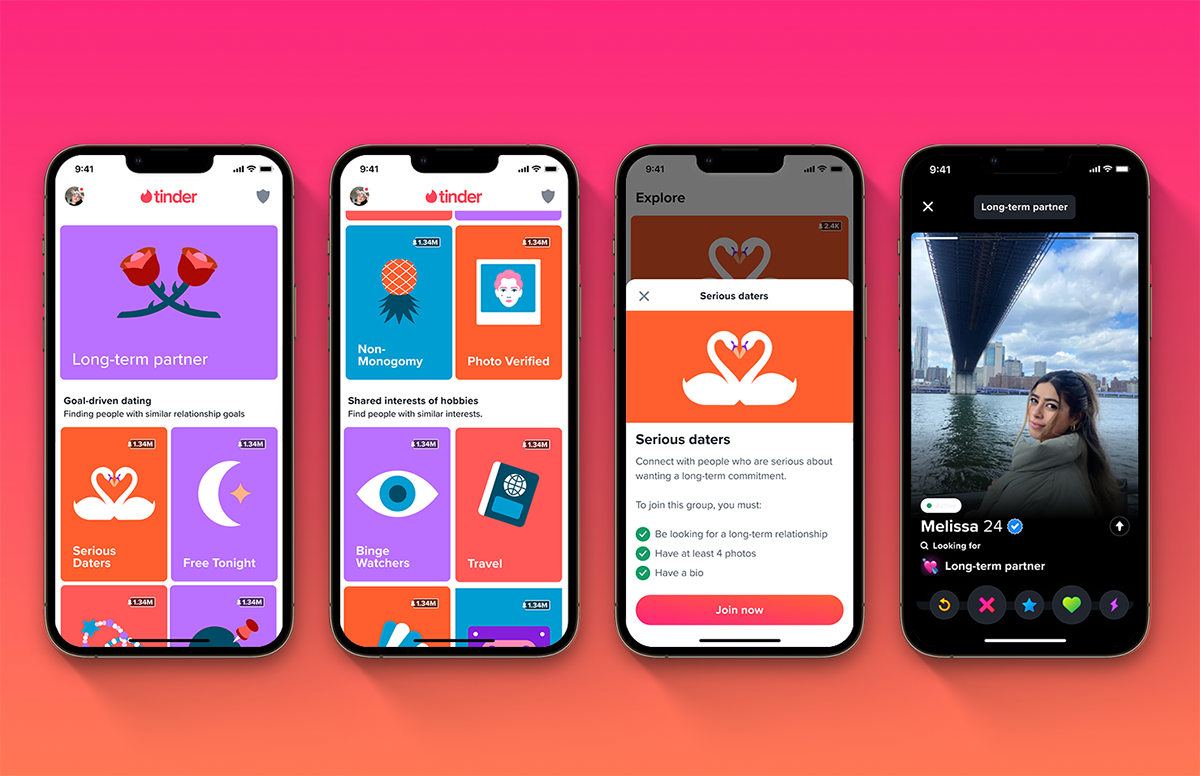
Over time, Tinder has added tools beyond swiping. Prompts, interest badges, and photo verification all help users feel more comfortable. Verification, in particular, gives people confidence that the profile matches a real person, which matters in a space full of fake accounts.
There are also safety tools like reporting and blocking, which let you remove anyone making you uncomfortable. They aren’t perfect, but they give you some control over your experience.
Why It Still Works for So Many People
Tinder’s reach is a big part of the appeal. According to Wikipedia’s overview of Tinder, the app launched in 2012 and became one of the most widely used dating apps in the world. A large user base means more variety, and more variety means better odds of finding someone you click with.
Not every match leads to something serious, and that’s fine. Some people find relationships, some find friends, and some just enjoy chatting. What matters is that the app gives you an easy way to meet people you otherwise wouldn’t. Be honest in your profile, be respectful in your messages, and give conversations a real chance before moving on.
