
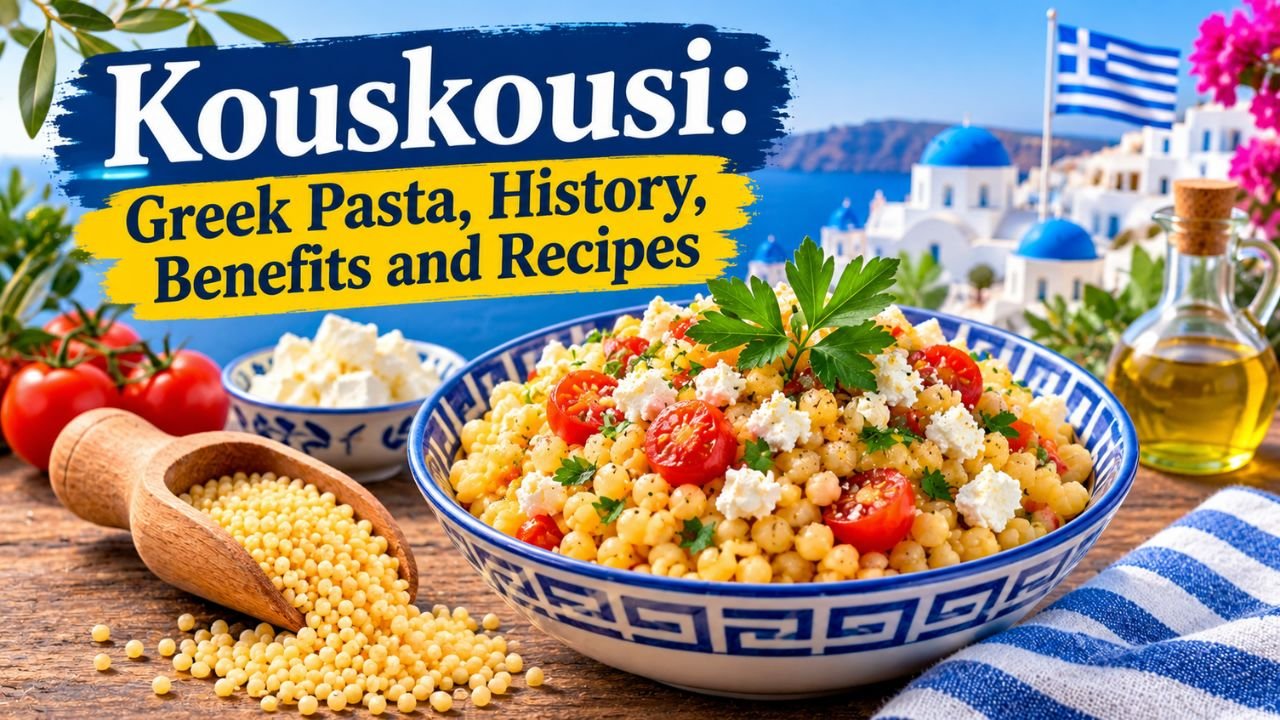
Kouskousi is a traditional Greek pasta that offers a fascinating combination of culinary history, regional identity, and delicious flavors. Although it may look similar to North African couscous, kouskousi has its own place in Greek cuisine, particularly in the food traditions of Thrace and Eastern Macedonia.
Made from simple ingredients such as wheat flour, semolina, eggs, and milk, this tiny, bead-shaped pasta represents the resourcefulness of traditional Mediterranean cooking. Its delicate texture, mild flavor, and versatility make it an excellent addition to soups, stews, vegetable dishes, and hearty family meals.
For generations, homemade pasta has played an important role in Greek households. Kouskousi reflects this tradition, transforming everyday ingredients into a satisfying dish that complements many different recipes.
In this comprehensive guide, we will explore everything you need to know about kouskousi, including its meaning, origins, ingredients, nutritional value, cooking techniques, and delicious ways to enjoy it.
What Is Kouskousi?
Kouskousi is a type of small Greek pasta traditionally associated with the northeastern regions of Greece. It consists of tiny, rounded or irregularly shaped pieces made from wheat-based dough.
The name is written in Greek as κουσκούσι, and the food is sometimes described as Greek couscous because of its appearance.
Unlike conventional long pasta varieties such as spaghetti or linguine, kouskousi is formed into small granules. These pieces absorb moisture during cooking and develop a tender texture that pairs well with different ingredients.
Its neutral flavor complements vegetables, herbs, legumes, cheese, meat, and flavorful sauces.
One of the most appealing characteristics of kouskousi is its adaptability. It can serve as a simple side dish or become the foundation of a complete meal.
Although different regional recipes exist, its essential identity remains connected to traditional Greek pasta-making techniques.
The Origin and History of Kouskousi
The history of kouskousi is closely connected with the culinary traditions of Thrace and Eastern Macedonia.
These areas of northern Greece have long been influenced by agricultural practices, regional food customs, and exchanges among neighboring communities.
Traditional households frequently prepared homemade pasta because wheat and other basic ingredients were widely used in everyday cooking.
Kouskousi developed within this wider tradition of making foods that could be prepared in batches and preserved for future meals.
Historical accounts of Greek regional food production also describe small, rounded pasta associated with families who relocated from Eastern Thrace to northern Greece during the early twentieth century.
Such traditions demonstrate how food preparation techniques can survive migration and become an important part of cultural identity.
The exact historical relationship between Greek kouskousi and North African couscous is not fully established. However, both belong to a broader Mediterranean tradition of preparing wheat-based foods in small pieces.
Today, kouskousi remains a meaningful example of Greece’s regional culinary heritage.
Why Kouskousi Is Important in Greek Cuisine
Greek cuisine is internationally recognized for dishes such as moussaka, souvlaki, Greek salad, and spanakopita. However, traditional pasta products also occupy an important position in Greek food culture.
Kouskousi is particularly significant because it represents homemade cooking and the preservation of regional recipes.
In many traditional communities, preparing food was more than simply creating a meal. It was an opportunity for families to share knowledge, develop practical skills, and maintain cultural connections.
Making small pasta pieces required patience and attention to detail. Family members could help mix ingredients, shape dough, and prepare pasta for later use.
The finished product was versatile enough to become part of everyday meals.
Kouskousi also reflects an important principle of Mediterranean cooking: simple ingredients can produce satisfying dishes when combined thoughtfully.
Its continued presence in regional food markets and traditional recipes helps keep these culinary practices alive.
What Ingredients Are Used to Make Kouskousi?
The ingredients used to prepare kouskousi depend on regional traditions and individual recipes.
Some traditional Greek versions combine wheat flour, semolina, eggs, milk, and salt.
The most common ingredients include:
- Wheat flour: Provides structure and helps form the pasta dough.
- Semolina: Contributes texture and gives the pasta its characteristic wheat flavor.
- Eggs: May be added to enrich the dough and improve its consistency.
- Milk: Used in certain traditional recipes to create a richer pasta.
- Water: Helps combine the dry ingredients and adjust the dough.
- Salt: Enhances the overall flavor.
Not every variety contains all these ingredients. Commercial products and homemade preparations can differ significantly.
The dough is shaped into small particles or rounded pieces before cooking or drying.
Because traditional recipes may contain wheat, eggs, and milk, anyone with food allergies should carefully examine the ingredient list before consuming kouskousi.
Kouskousi vs. Couscous: Understanding the Difference
One of the most common questions about kouskousi concerns its relationship with couscous.
Although the two foods can look similar, important distinctions exist.
Kouskousi
Greek kouskousi is a small pasta associated with traditional cooking in Thrace and other parts of Greece.
Depending on the recipe, it may contain wheat flour, semolina, eggs, and milk.
It is commonly cooked in boiling water or broth, much like other pasta varieties.
Couscous
North African couscous is traditionally made from semolina that has been moistened and worked into small granules.
It is especially important in Moroccan, Algerian, Tunisian, and Mauritanian cuisine.
Traditional couscous is generally steamed, although many packaged varieties sold internationally are precooked and require only rehydration.
In 2020, UNESCO recognized the knowledge and traditions associated with producing and consuming couscous as part of humanity’s intangible cultural heritage.
Main Differences
The most important differences involve regional culinary traditions, ingredient combinations, and preparation techniques.
Greek kouskousi may be an enriched pasta containing eggs and milk, while traditional North African couscous generally relies on semolina and water.
Despite these differences, both foods demonstrate the versatility of wheat-based ingredients in Mediterranean cuisine.
How to Cook Kouskousi Properly
Cooking kouskousi is relatively straightforward, especially when using commercially prepared pasta.
The exact cooking time depends on the size, ingredients, and manufacturing method.
Step 1: Prepare the Cooking Liquid
Bring a pot of water or vegetable broth to a boil.
Add a small amount of salt to enhance the flavor.
Using broth instead of plain water can add depth, especially when preparing kouskousi for a savory dish.
Step 2: Add the Kouskousi
Carefully add the pasta to the boiling liquid.
Stir gently to prevent the pieces from sticking together.
Because kouskousi consists of small particles, occasional stirring helps ensure even cooking.
Step 3: Cook Until Tender
Cook the pasta according to the manufacturer’s instructions.
Some packaged Greek kouskousi products recommend boiling for approximately seven to ten minutes.
However, cooking times can vary.
Taste a small portion near the end of the recommended cooking period to check its texture.
Step 4: Drain and Season
Once the pasta reaches the desired tenderness, drain it if necessary.
Add a small amount of olive oil or butter and gently mix.
Fresh herbs, lemon juice, black pepper, or grated cheese can provide additional flavor.
Step 5: Serve Warm
Serve immediately as a side dish or combine the prepared pasta with vegetables, beans, or cooked meat.
Kouskousi can also be added directly to suitable soups and broths, provided the liquid quantity and cooking time are adjusted.
A Simple and Delicious Kouskousi Recipe
If you want to experience the flavor of this traditional Greek pasta, a vegetable-based recipe is an excellent place to start.
This Mediterranean-inspired preparation combines kouskousi with familiar ingredients.
Ingredients
- 1 cup dry kouskousi
- 1 tablespoon olive oil
- 1 small onion, finely chopped
- 2 garlic cloves, minced
- 1 small tomato, chopped
- 1 cup cooked chickpeas
- 1 cup fresh spinach, chopped
- 2 tablespoons fresh parsley
- 1 tablespoon lemon juice
- Salt and black pepper to taste
- Water or vegetable broth for cooking
Preparation Method
Step 1: Bring a pot of salted water to a boil and cook the couscous according to the package instructions.
Step 2: Meanwhile, heat the olive oil in a separate pan over medium heat.
Step 3: Add the chopped onion and cook until softened. Stir in the garlic and cook briefly until fragrant.
Step 4: Add the chopped tomato and cook until softened, releasing its juices.
Step 5: Stir in the cooked chickpeas and spinach. Continue cooking until the spinach wilts and the mixture is heated through.
Step 6: Drain the cooked couscous and add it to the vegetable mixture.
Step 7: Season with salt, black pepper, parsley, and lemon juice.
Step 8: Mix gently and serve warm.
This simple recipe highlights the mild flavor of kouskousi while combining vegetables, legumes, and olive oil in a satisfying meal.
It can also be customized with zucchini, roasted peppers, mushrooms, or other seasonal vegetables.
Nutritional Value of Kouskousi
Kouskousi provides energy primarily through carbohydrates, an important fuel source for the body.
Its nutritional composition depends on the flour, semolina, eggs, milk, and other ingredients used during preparation.
Carbohydrates
Wheat-based kouskousi contains carbohydrates that provide energy for everyday activities.
The exact carbohydrate content depends on the product and serving size.
Protein
Kouskousi provides some protein from wheat. Varieties containing eggs or milk may have a different protein composition.
Combining it with chickpeas, lentils, beans, or other protein-rich foods can create a more balanced meal.
Vitamins and Minerals
Depending on its ingredients and processing, kouskousi may contribute small amounts of B vitamins, iron, and other minerals.
Whole-grain versions, where available, may offer more dietary fiber than refined wheat products.
Calories
Calorie content varies by brand and recipe.
For example, one Greek commercial kouskousi product lists approximately 379 calories per 100 grams of dry pasta.
This figure should not be applied to every variety, since products can differ in composition.
As with other pasta dishes, the total calories in a meal also depend on added oil, cheese, sauces, meat, and vegetables.
Is Kouskousi a Healthy Food?
Kouskousi can be part of a balanced diet when consumed in appropriate portions and combined with nutritious ingredients.
Its main nutritional contribution comes from carbohydrates, although it may also contain protein and other nutrients.
The nutritional quality of a kouskousi meal largely depends on how it is prepared.
For example, combining pasta with leafy greens, legumes, tomatoes, and olive oil provides a wider variety of nutrients than serving it alone.
Several considerations are worth remembering.
Portion control: Like other grain-based foods, kouskousi should be served in quantities appropriate to individual energy needs.
Balanced ingredients: Vegetables, lean proteins, and legumes help create a more complete meal.
Allergies: Traditional wheat-based kouskousi contains gluten. Some products also contain eggs and dairy.
Preparation methods: Boiling pasta and combining it with vegetables can be a practical alternative to preparing dishes with large amounts of butter or rich sauces.
Kouskousi is not a miracle food or a special treatment for any health condition. Its value comes from its role within an overall varied eating pattern.
Popular Ways to Serve Kouskousi
One reason kouskousi remains useful in the kitchen is that it complements many different dishes.
Kouskousi with Vegetables
Cooked kouskousi pairs well with zucchini, tomatoes, spinach, carrots, and peppers.
Olive oil, garlic, lemon, and fresh herbs can create a flavorful Mediterranean-style meal.
Kouskousi Soup
The tiny pasta pieces work well in soups because they absorb the broth’s flavors.
They can be added to vegetable, chicken, or lentil soup for additional texture and substance.
Kouskousi with Chickpeas
Chickpeas and kouskousi create a hearty combination of grains and legumes.
This preparation can be seasoned with garlic, parsley, lemon, and olive oil.
Kouskousi with Chicken
Cooked chicken can be served over seasoned kouskousi alongside roasted vegetables.
The pasta helps absorb juices and sauces, making it a satisfying accompaniment.
Kouskousi Salad
After cooking and safely cooling the pasta, combine it with cucumber, tomatoes, parsley, lemon juice, and olive oil.
The result is a refreshing pasta salad suitable for lunch or as a side dish.
How to Store Kouskousi
Proper storage helps maintain the quality and freshness of kouskousi.
Storing Dry Kouskousi
Commercially dried pasta should generally be kept in a cool, dry place away from moisture and direct sunlight.
An airtight container can help protect opened packages.
Always follow the manufacturer’s storage recommendations.
Storing Cooked Kouskousi
Refrigerate cooked pasta promptly in a covered container.
Refrigerate within two hours of preparation, or within one hour when exposed to very hot conditions.
For best food safety, use refrigerated leftovers within three to four days.
Storing Homemade Kouskousi
Homemade pasta containing eggs or milk requires particular attention to safe storage.
Unless a tested recipe provides a validated drying and storage method, keep fresh homemade pasta refrigerated or frozen rather than assuming it is shelf-stable.
These precautions help reduce food safety risks while preserving flavor and texture.
Where Can You Buy Kouskousi?
Kouskousi may be available from specialty Greek food shops, Mediterranean grocery stores, traditional pasta producers, and online retailers.
In Greece, particularly in Thrace, regional producers continue to offer traditional pasta varieties.
When shopping, check the label for the product name, ingredients, cooking instructions, and storage requirements.
Because kouskousi resembles other small pasta types, buyers should avoid assuming that every product labeled couscous is identical.
If authentic Greek kouskousi is unavailable, another small pasta variety may work as a substitute in certain recipes, although the flavor and cooking requirements could differ.
Frequently Asked Questions About Kouskousi
What does kouskousi mean?
Kouskousi refers to a small, granular pasta found in traditional Greek cuisine. It is especially associated with Thrace and Eastern Macedonia and is sometimes described as Greek couscous.
Is kouskousi the same as couscous?
Not exactly. Although they may look similar, Greek kouskousi and traditional North African couscous can differ in ingredients, preparation techniques, and cultural background.
What is kouskousi made from?
Kouskousi is generally made with wheat-based ingredients such as flour or semolina. Some traditional recipes also include eggs, milk, water, and salt.
How long does kouskousi take to cook?
Certain commercially prepared varieties cook in approximately seven to ten minutes. However, the precise time depends on the product, so package instructions should always be followed.
Is kouskousi gluten-free?
Traditional kouskousi is not gluten-free because it normally contains wheat. People who must avoid gluten should choose a specifically labeled gluten-free alternative.
Conclusion
Kouskousi is more than a simple pasta variety. It represents the culinary traditions, agricultural heritage, and home-cooking practices of northern Greece, particularly Thrace and Eastern Macedonia.
With its tiny shape, mild flavor, and ability to absorb different seasonings, kouskousi is a versatile ingredient suitable for soups, salads, vegetable dishes, and comforting family meals.
Although it shares certain similarities with North African couscous, Greek kouskousi has its own regional characteristics and preparation traditions.
Its wheat-based ingredients provide carbohydrates and some protein, while combining it with vegetables, legumes, and other nutritious foods can make it part of a balanced meal.
Whether you are exploring traditional Greek cuisine for the first time or looking for an alternative to familiar pasta varieties, kouskousi offers a delicious opportunity to discover a lesser-known side of Mediterranean cooking.
By learning about its history, ingredients, and preparation methods, food enthusiasts can appreciate both the simplicity of this traditional pasta and the rich cultural heritage behind it.
You May Also Read: Best Asado Negro Near Me: A Complete Guide to Authentic Venezuelan Flavor
