
Introduction
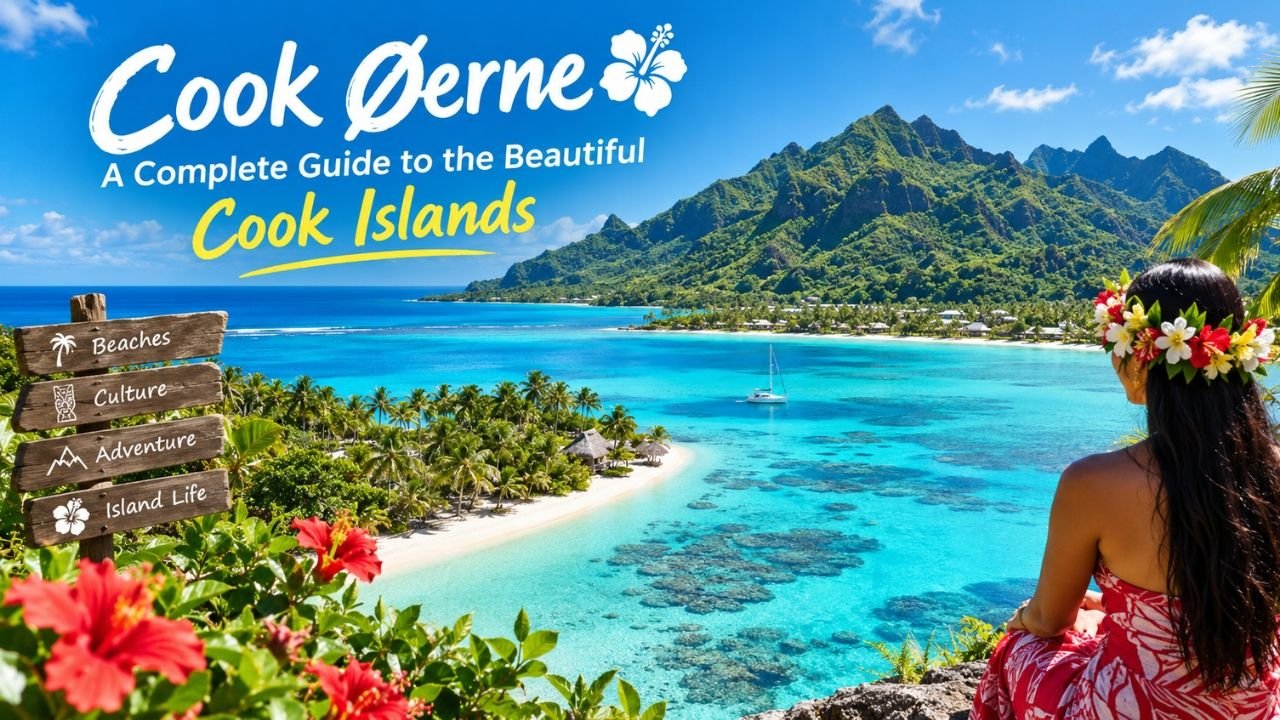
Cook Øerne, known in English as the Cook Islands, is a stunning island group in the South Pacific Ocean. Famous for its turquoise lagoons, white-sand beaches, lush green mountains, and rich Polynesian culture, this tropical destination draws visitors seeking natural beauty, relaxation, and unforgettable adventures. Although the islands are relatively small in population and size, they offer travelers a remarkable variety of experiences.
From Rarotonga’s beautiful beaches to Aitutaki’s breathtaking lagoon, Cook Øerne offers swimming, snorkeling, hiking, cultural exploration, and a chance to discover traditional island life. The destination is also known for its welcoming communities, distinctive cuisine, and peaceful atmosphere.
Whether you are planning a tropical holiday, researching Pacific geography, or simply learning about an unfamiliar destination, understanding Cook Øerne can help you appreciate why these islands are so special. This guide explores their location, history, culture, major attractions, weather, food, travel options, and practical tips for visitors.
What Are Cook Øerne?
Cook Øerne refers to the Cook Islands, a self-governing country in free association with New Zealand. The country consists of 15 islands spread across a large area of the South Pacific Ocean. These islands are divided into two main groups: the Southern Cook Islands and the Northern Cook Islands.
The Southern Group includes Rarotonga, Aitutaki, Atiu, Mangaia, Mauke, Mitiaro, and several smaller islands. The Northern Group includes Manihiki, Penrhyn, Pukapuka, Rakahanga, Nassau, and Suwarrow.
Each island has its own geographical characteristics and atmosphere. Some feature volcanic mountains and fertile landscapes, while others are low-lying coral atolls surrounded by lagoons and reefs.
Rarotonga is the country’s main population center and home to Avarua, its capital. The islands have close historical, cultural, and political ties to New Zealand while maintaining their own government and cultural identity.
Where Are the Cook Islands Located?
The Cook Islands are situated in the South Pacific, northeast of New Zealand and within the wider Polynesian region. Their remote location gives them a distinctive tropical environment, with clear ocean waters, coral reefs, and relatively unspoiled natural landscapes.
Because the islands are scattered over a considerable distance, travel between them may require domestic flights or other transport. Rarotonga is the main international gateway, and many visitors start there before heading to other islands.
The remote location is one of the destination’s main attractions. Visitors can experience a slower pace of life, explore quiet beaches, and discover communities whose traditions have developed over generations.
Travelers should plan carefully because flight schedules, connections, and transport services vary between islands. Checking current travel arrangements before departure makes an island-hopping holiday easier.
History and Cultural Heritage of Cook Øerne
Cook Øerne’s history is closely connected to Polynesian migration and navigation. Polynesian ancestors traveled across vast areas of the Pacific using their knowledge of ocean currents, winds, stars, and natural signs. Their journeys established communities throughout the region, including the islands that now make up the Cook Islands.
Over centuries, these communities developed distinctive traditions, languages, social structures, crafts, music, and dance. Oral histories and cultural practices continue to preserve knowledge of the islands’ past.
European contact began during the age of Pacific exploration. British explorer Captain James Cook visited several islands in the region during the eighteenth century, and the Cook Islands were eventually named after him. The islands later became a British protectorate and were annexed by New Zealand in 1901.
In 1965, the Cook Islands became self-governing in free association with New Zealand. This arrangement allows the Cook Islands to manage their domestic affairs while maintaining a special relationship with New Zealand.
Today, Cook Islands Māori culture remains an important part of everyday life. Traditional dancing, singing, carving, weaving, storytelling, and community celebrations help preserve the islands’ heritage for future generations.
The Most Beautiful Islands to Visit
One of the most interesting aspects of Cook Øerne is the variety of experiences available across its islands. Each destination offers different landscapes and exploration opportunities.
Rarotonga
Rarotonga is the largest and most populated island in the Cook Islands. It is surrounded by a beautiful lagoon and coral reef, while its interior features dramatic green mountains and tropical vegetation.
Visitors can relax on the beach, explore local markets, dine at island restaurants, or take guided walks through the mountainous interior. The island also offers snorkeling, cycling, and opportunities to discover traditional villages.
Avarua provides access to shops, services, cultural attractions, and everyday island life. Rarotonga is an excellent starting point for first-time visitors because it combines convenient facilities with natural beauty.
Aitutaki
Aitutaki is best known for its spectacular lagoon, with bright turquoise water, coral formations, and small offshore islands called motu.
Boat trips across the lagoon are among the most popular activities. Visitors can swim, snorkel, take photos, and relax on sandy beaches. The scenery makes Aitutaki an attractive destination for couples, honeymooners, and travelers seeking a peaceful tropical escape.
Although Aitutaki is smaller than Rarotonga, its natural beauty makes it one of the most recognizable destinations in the Cook Islands.
Atiu
Atiu offers a different experience for travelers interested in nature and traditional island life. Its landscape includes dense vegetation, limestone formations, and caves.
Visitors may explore walking trails, learn about local traditions, and discover native wildlife. Atiu is also known for its birdlife, making it interesting for nature enthusiasts.
The island’s quieter atmosphere appeals to people who prefer exploring beyond the more established tourist destinations.
Mangaia
Mangaia is notable for its rugged landscape and raised coral formations. Geologically, it is one of the older islands in the Pacific and offers a distinctive environment compared with the lagoon-focused scenery of some neighboring islands.
Travelers interested in geology, local history, and less-developed destinations may find Mangaia especially rewarding.
Best Things to Do in Cook Øerne
Cook Øerne offers activities for a wide range of interests, from relaxing beach holidays to active outdoor adventures.
Enjoy snorkeling and swimming: The islands’ lagoons and coral reefs provide opportunities to observe colorful marine life. Visitors should follow local guidance, respect wildlife, and avoid damaging coral.
Take a lagoon cruise: A boat excursion around Aitutaki is an excellent way to take in the scenery. Depending on the trip, visitors may stop at small islands, swim in clear water, or enjoy a meal during the excursion.
Explore local markets: Markets offer an opportunity to discover fresh produce, handmade crafts, local food, and community life. They’re also a great place to find souvenirs.
Go hiking: Rarotonga has trails through lush vegetation and mountainous terrain. Some routes require reasonable fitness, suitable footwear, and attention to weather conditions. Guided hikes can help if you’re unfamiliar with the routes.
Experience traditional performances: Music and dance are central to Cook Islands culture. Cultural shows and community events provide opportunities to learn about traditional rhythms, costumes, stories, and customs.
Relax on the beaches: Travelers can spend quiet afternoons swimming, reading, enjoying the scenery, or watching the sunset. Beach conditions vary, so seek local advice before entering unfamiliar waters.
Weather and the Best Time to Visit Cook Øerne
The Cook Islands have a tropical climate, with warm temperatures throughout much of the year. However, rainfall, humidity, and storm risks vary by season.
The drier period is generally from May to October. These months are often attractive for outdoor activities, hiking, sightseeing, and exploring the islands.
The warmer, more humid period typically runs from November to April. This season can bring heavier rainfall and a higher risk of tropical cyclones across the region. Weather conditions can change, so visitors should check forecasts before traveling.
The best time to visit depends on personal preferences, activities, and budget. Travelers who prioritize outdoor exploration may prefer the drier months, while those with flexible schedules may find other times of year work well.
Regardless of the season, pack lightweight clothing, sun protection, comfortable walking shoes, swimwear, and rain protection.
Food and Local Cuisine in the Cook Islands
Food is an important part of the cultural experience in Cook Øerne. Traditional cooking reflects Polynesian heritage, locally available ingredients, and the surrounding ocean.
Seafood is widely enjoyed, and fish may be prepared in several ways, including with coconut cream and citrus. Ika mata is a well-known local dish made with raw fish marinated in citrus juice and commonly mixed with coconut cream and vegetables.
Other foods may include taro, breadfruit, sweet potatoes, bananas, tropical fruits, and locally grown vegetables. These ingredients reflect island communities’ agricultural traditions.
An umu is a traditional earth oven that cooks food using heated stones. Food prepared in an umu may be served at celebrations, gatherings, and special meals.
Visitors can explore local dishes through restaurants, markets, and cultural dining experiences. Trying traditional food offers more than a culinary adventure; it also provides insight into the islands’ history and community traditions.
Travel Costs and Accommodation
The cost of visiting Cook Øerne depends on the season, accommodation choices, transport requirements, and planned activities. Because the destination is remote, international flights can represent a significant part of the overall budget.
Accommodation options range from guesthouses and self-catering properties to hotels and luxury resorts. Rarotonga generally provides the broadest selection of services and accommodation, while smaller islands may have fewer options.
Travelers can manage their budgets by booking flights early, comparing accommodation prices, preparing some meals themselves, and choosing activities that suit their spending limits.
Also consider transport costs. Rental vehicles, scooters, guided excursions, and inter-island flights can increase a holiday’s total cost.
Prices and availability change, so travelers should check current rates before making reservations. Visitors should also confirm local driving rules, insurance requirements, and any license conditions before hiring a vehicle.
How to Get to Cook Øerne
Most international visitors arrive through Rarotonga International Airport. Flight availability depends on the departure country, airline schedules, and seasonal services. Travelers from some locations may need to connect through New Zealand or another regional hub.
Before booking, check the complete itinerary, baggage allowances, connection times, and entry requirements. Passport validity and immigration rules should be confirmed with official authorities relevant to the traveler’s nationality.
Once on Rarotonga, visitors can use local transport options to explore the island. Travel to more distant islands generally requires extra planning because services may be limited or run on specific schedules.
Leave sufficient time between connecting journeys, and confirm domestic flights directly with the relevant airline. Travel insurance that covers planned activities and potential disruptions can also provide peace of mind.
Is Cook Øerne a Good Destination for Tourists?
Cook Øerne can be an excellent destination for travelers who appreciate natural scenery, island culture, marine activities, and a relaxed holiday atmosphere.
Families may enjoy the beaches and outdoor activities, while couples may prefer the lagoon views and quiet accommodation options. Nature lovers can explore walking trails, caves, coral reefs, and wildlife.
The destination also suits travelers interested in cultural experiences. Local markets, traditional food, music, dance, and community events provide opportunities to learn about Polynesian life beyond the beaches.
However, visitors should recognize that traveling to remote islands requires preparation. Smaller islands may have fewer services and supplies, and flights between destinations may not run as frequently as travelers expect.
Responsible tourism matters especially in island environments. Visitors should respect local customs, support local businesses, minimize plastic waste, and protect marine habitats.
Frequently Asked Questions About Cook Øerne
What does Cook Øerne mean?
Cook Øerne is a Danish-language expression referring to the Cook Islands. The phrase can be used when searching for information about the islands’ geography, culture, attractions, and travel opportunities.
Where are Cook Øerne located?
The Cook Islands are located in the South Pacific Ocean, within the Polynesian region. They have a special constitutional relationship with New Zealand.
What is the capital of the Cook Islands?
Avarua, located on Rarotonga, is the capital and principal administrative center of the Cook Islands.
Which island is best for first-time visitors?
Rarotonga is generally a convenient starting point because it offers a range of accommodation, restaurants, activities, and transport options. Aitutaki is especially attractive to visitors who want spectacular lagoons.
What language is spoken in the Cook Islands?
Cook Islands Māori and English are widely used. Language use can vary by community, and local linguistic traditions are an important part of the islands’ heritage.
Conclusion
Cook Øerne, or the Cook Islands, is a remarkable South Pacific destination that combines tropical landscapes, Polynesian culture, beautiful beaches, and memorable outdoor experiences. From Rarotonga’s green mountains and lively communities to Aitutaki’s extraordinary lagoon, each island offers its own character and attractions.
Visitors can enjoy snorkeling, hiking, traditional food, cultural performances, local markets, and peaceful coastal scenery. The islands also provide opportunities to learn about Polynesian history and appreciate the traditions that continue to shape community life.
Planning is essential because the islands are geographically dispersed, travel options can be limited, and costs vary depending on the season and accommodation. By researching transport, checking weather conditions, and respecting local customs, travelers can make the most of their visit.
Cook Øerne is more than a collection of beautiful tropical islands. It has a distinctive cultural identity, rich history, and natural environment worth protecting. For travelers seeking a South Pacific holiday that combines relaxation, discovery, and authentic island experiences, the Cook Islands deserve serious consideration.
