
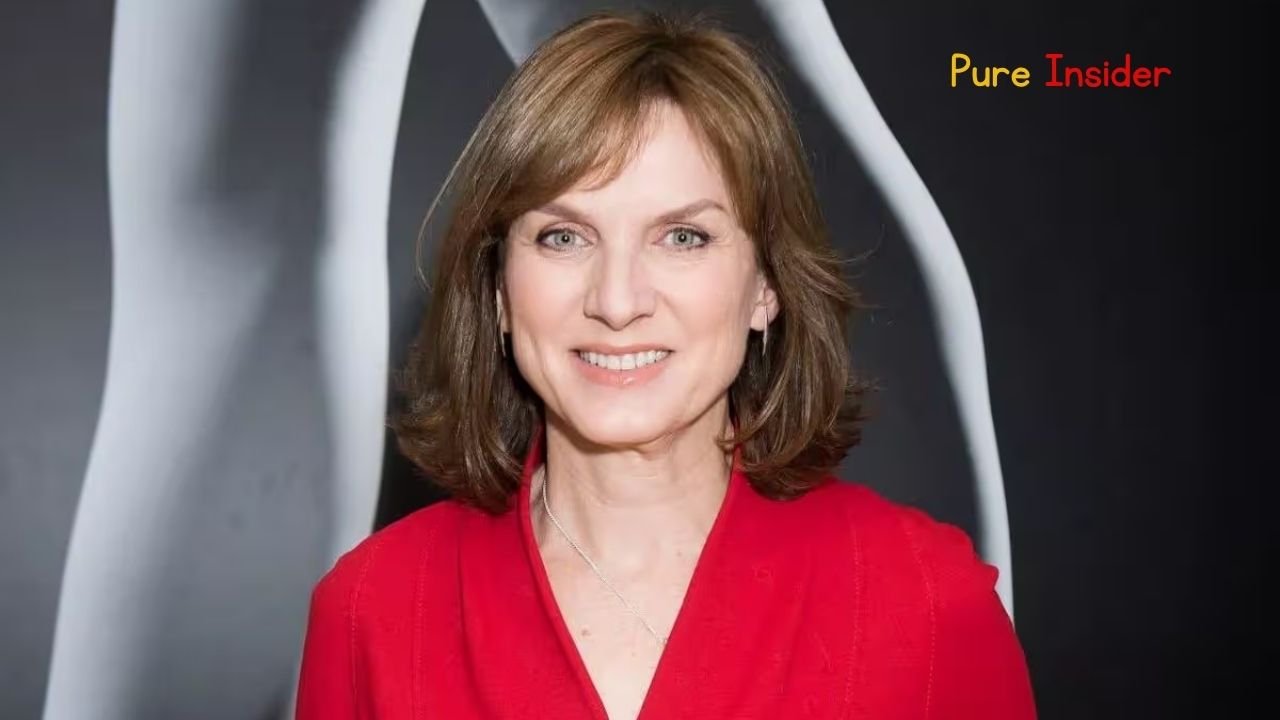
Fiona Bruce is a name closely associated with British television, journalism, news, and current affairs. Over a career spanning several decades, Fiona Bruce has become one of the BBC’s most recognizable broadcasters. From early behind-the-scenes work to prominent roles on news programs and major factual shows, she has established herself as a versatile and respected television personality.
Bruce is particularly known for presenting Question Time and Antiques Roadshow, two programs that require very different broadcasting skills. While Question Time puts her at the center of lively political debate, Antiques Roadshow lets her explore history, personal stories, and valuable objects brought in by members of the public. Her ability to move comfortably between serious journalism and factual entertainment has been central to her long-running career.
Who Is Fiona Bruce?
Fiona Elizabeth Bruce is a British journalist and television presenter who has worked for the BBC since the late 1980s. She was born in Singapore on April 25, 1964, and later grew up and studied in England before beginning a career that eventually took her into television broadcasting.
Bruce initially entered journalism through a research role rather than immediately becoming an on-screen presenter. Her first BBC position was as a researcher on Panorama. This experience let her learn television journalism from behind the camera before moving into reporting and presenting.
Over time, she became associated with major BBC news and factual programs. Her career has included newsreading, reporting, interviewing and presenting, giving her experience across several areas of television.
Fiona Bruce’s Early Life and Education
Fiona Bruce was born in Singapore in 1964. Her early life included experiences outside Britain, and she later attended school in England. Her education provided a foundation for the communication and analytical skills that would become important in her journalism career.
She attended Haberdashers’ Aske’s Hatcham College before studying at the University of Oxford. Before entering broadcasting, Bruce also gained professional experience outside journalism, including work in business and advertising.
Her route into television was therefore not a straightforward transition from university into becoming a famous presenter. Instead, she developed professional experience in other fields before discovering her long-term career in journalism.
How Fiona Bruce Started Her BBC Career
Fiona Bruce joined the BBC in 1989, initially working as a researcher on Panorama. The program is one of Britain’s best-known current-affairs productions, making it an important environment for someone beginning a journalism career.
Working as a researcher allowed Bruce to understand how television stories are developed, investigated and produced. She later moved in front of the camera, beginning a progression that would eventually lead to some of the BBC’s most prominent presenting positions.
Her early career demonstrates that successful television presenters do not necessarily begin as household names. Bruce developed her reputation gradually through journalism, reporting and broadcasting.
Fiona Bruce as a BBC News Presenter
News became central to Bruce’s professional identity. After starting behind the scenes, she progressed into reporting and eventually became a familiar face on BBC news programming.
Her work included presenting major news bulletins and reporting on important national and international stories. She became associated with programs such as BBC News at Ten, strengthening her reputation as a serious journalist rather than simply a television personality.
Bruce’s news experience also helped prepare her for later roles involving live interviews, difficult questions, and fast-moving current affairs. These skills became particularly valuable when she took on presenting political debate programs.
Fiona Bruce and Crimewatch
Another notable part of Bruce’s BBC career was her association with Crimewatch. The program combines factual reporting, interviews and appeals for information relating to criminal investigations.
Presenting a program of this nature requires sensitivity and clarity because the stories can involve victims, families and ongoing investigations. Bruce’s background in news and journalism made her well suited to this type of broadcasting.
Her work on Crimewatch further demonstrated the breadth of her television career. Rather than concentrating on a single genre, she continued to take on programs with different formats and audiences.
Fiona Bruce and Antiques Roadshow
One of Fiona Bruce’s best-known roles is presenting Antiques Roadshow. She became the program’s presenter in 2008, succeeding David Dickinson.
Antiques Roadshow has a distinctive format. Members of the public bring antiques, collectibles, artworks and personal possessions to events where specialists examine and value them. The program is not only about financial value; many objects also have fascinating historical or emotional stories.
Bruce’s role is to guide viewers through these stories while working with the program’s experts and contributors. Her calm interviewing style works particularly well with the show’s mixture of history, personal memories and unexpected discoveries.
Her long association with Antiques Roadshow has made her recognizable to viewers who may know her primarily from factual television rather than political broadcasting.
Fiona Bruce as Question Time Presenter
Another defining chapter in Bruce’s career began in 2019, when she became the presenter of Question Time.
She succeeded David Dimbleby, who had presented the program for many years. Bruce’s appointment was notable because she became the first woman to present the long-running political discussion program.
Question Time places the presenter in a demanding position. The program brings together politicians and other public figures to answer questions from an audience. Topics can range from elections and government policy to social issues, economics and international affairs.
Bruce must keep discussions moving while allowing audience members to challenge panelists. She also has to handle interruptions, disagreements, and highly emotional moments.
Her experience as a journalist and news presenter provided a strong foundation for the role. Presenting Question Time requires more than simply reading a script; it requires the ability to listen carefully, ask follow-up questions, and maintain control of a live discussion.
What Makes Fiona Bruce a Versatile Presenter?
A major feature of Bruce’s career is her versatility. She has worked across several television formats, including news, current affairs, crime reporting, political debate and antiques programming.
The difference between Question Time and Antiques Roadshow illustrates this versatility particularly well.
On Question Time, Bruce works in an environment that can be fast-paced and confrontational. She has to manage competing voices and politically sensitive topics.
On Antiques Roadshow, the atmosphere is generally more relaxed. The focus is on objects, history and the people who bring them to the program.
Despite these differences, both programs require strong interviewing and communication skills. Bruce’s ability to adapt her approach to each format has helped sustain her television career.
Fiona Bruce’s Husband and Family
Fiona Bruce is married to advertising executive Nigel Sharrocks, and the couple has two children.
Although Bruce has been a highly visible public figure for decades, she has generally maintained a distinction between her professional life and her family’s private life. As a result, treat detailed information about her family carefully, particularly when reliable sources do not support online information.
Her public career has remained the main focus of her media profile, while she has generally avoided turning her family life into the center of her television persona.
Fiona Bruce’s Career Achievements
Fiona Bruce’s career stands out for its longevity and range. She progressed from a research position at the BBC to becoming one of the corporation’s established presenters.
Some of the major milestones associated with her career include:
- Joining the BBC in 1989 as a researcher on Panorama
- Moving into television reporting and presenting
- Working on major BBC news programs
- Becoming associated with Crimewatch
- Becoming presenter of Antiques Roadshow in 2008
- Becoming presenter of Question Time in 2019
- Becoming the first woman to present Question Time
These achievements show how her career developed over many years rather than hinging on one breakthrough program.
Fiona Bruce’s Broadcasting Style
Bruce is often associated with a professional, composed and authoritative presentation style. Her journalism background is especially visible when she covers political or news-related subjects.
At the same time, her work on Antiques Roadshow shows a more conversational side. She interacts with contributors and experts, helping explain the significance of objects and their histories to viewers.
Her ability to remain composed in live television environments has been especially useful in programs such as Question Time, where discussions can become intense.
Why Is Fiona Bruce Still Important in British Television?
Fiona Bruce represents a generation of British television journalists who developed their careers through traditional broadcast journalism before becoming major television personalities.
Her career also demonstrates how a presenter can move between different genres without losing professional credibility. She has worked in news, current affairs, factual television and political broadcasting.
The keyword fiona bruce tv presenter is therefore closely connected to several aspects of her public career. People searching for her may be interested in her biography, age, career, BBC work, husband, family, Question Time or Antiques Roadshow.
Her continued association with major BBC programs has kept her relevant to television audiences across different generations.
Frequently Asked Questions About Fiona Bruce
How old is Fiona Bruce?
Fiona Bruce was born on 25 April 1964. Her long television career began in the late 1980s and has continued across several decades.
What is Fiona Bruce famous for?
She is best known for presenting BBC programs including Question Time and Antiques Roadshow. She has also worked extensively as a news presenter and journalist.
When did Fiona Bruce join the BBC?
Fiona Bruce joined the BBC in 1989, initially working as a researcher on Panorama.
When did Fiona Bruce start presenting Antiques Roadshow?
Bruce became the presenter of Antiques Roadshow in 2008.
When did Fiona Bruce become the presenter of Question Time?
Fiona Bruce became the presenter of Question Time in 2019, succeeding David Dimbleby.
Conclusion
Fiona Bruce TV presenter reflects steady professional development, versatility, and long-term success in British broadcasting. Starting her BBC career as a researcher on Panorama in 1989, she gradually moved into reporting, news presenting and major factual television roles.
You May Also Read: Lauretta Giegerman: Biography, Marriage to Frank Costello and Life Story

4 thoughts on “Fiona Bruce TV Presenter: Biography, Career, Question Time and Antiques Roadshow”