
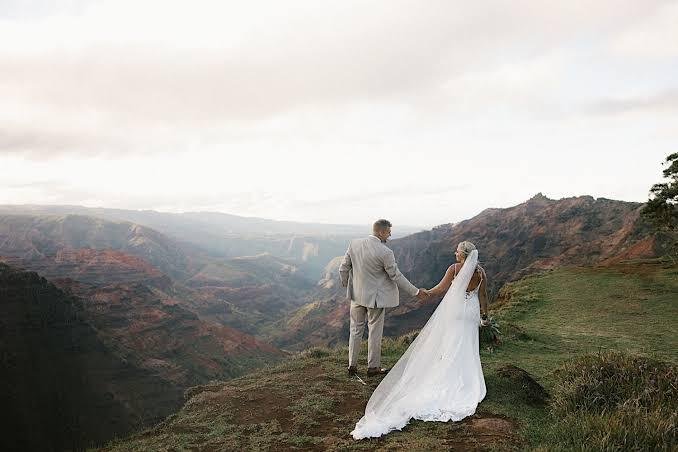
Planning a Hawaii elopement without ever visiting the island is easier than many couples expect. From choosing the perfect beach to navigating marriage license requirements and coordinating local vendors, a little preparation can go a long way. On Hawaii’s Big Island, diverse coastal landscapes and experienced wedding professionals make it possible to plan a meaningful destination ceremony from afar.
How to Plan a Hawaii Elopement Without Ever Visiting the Island
Hawaii’s appeal as a wedding destination is easy to understand. Turquoise water, volcanic coastlines, tropical greenery, and golden sunsets create a setting that feels a world away from everyday life. For couples seeking something more intimate than a traditional wedding, the Big Island offers an opportunity to exchange vows surrounded by some of Hawaii’s most striking scenery.
Planning a wedding thousands of miles away, however, comes with its own challenges. Choosing a beach without seeing it in person, coordinating vendors remotely, and navigating marriage license requirements can seem daunting at first. Yet many couples successfully plan their Hawaii elopements without making a preliminary visit.
The secret lies in understanding the island, knowing which details require advance attention, and working with local professionals who can help turn a vision into a practical plan.
Finding the Right Setting on the Big Island
One of the most appealing aspects of a Big Island elopement is the variety of locations available. The Kohala Coast is known for its beautiful beaches and resort scenery, while the Kona coastline offers a range of oceanfront settings, from popular sandy beaches to quieter stretches of shoreline. Elsewhere on the island, lush tropical gardens and dramatic volcanic landscapes provide a different backdrop for an intimate ceremony.
Choosing the right location involves more than finding an attractive photograph online. Beach access, parking, privacy, accessibility, and the number of guests can all influence whether a setting is suitable for a wedding. Some beaches are best suited to couples seeking a quiet exchange of vows, while others offer more practical arrangements for small groups and family celebrations.
The time of day also matters. Early mornings can bring cooler temperatures and fewer beach visitors, while late-afternoon ceremonies often benefit from softer natural light and the possibility of a colorful sunset.
For couples unfamiliar with the island, local knowledge can make the decision considerably easier. An experienced wedding provider can explain the differences between locations, offer realistic expectations about access and conditions, and help identify a setting that suits the couple’s vision.
Beach weddings may also require permits, depending on the location and activities involved. Confirming the applicable requirements before making final arrangements is an important part of planning.
Taking Care of the Legal Requirements
The scenery may be the most exciting part of a Hawaii wedding, but the legal details deserve attention well before departure.
Hawaii does not require couples to be state residents, and there is no waiting period after a marriage license is issued. However, both partners must complete the application process and appear together in person before a licensed marriage license agent.
The application can be submitted online through Hawaii’s Electronic Marriage Registration System. Couples must bring the required identification and arrange their appointment within the appropriate timeframe. A marriage license is valid for 30 days from issuance.
Arriving two to three days before the ceremony is generally a sensible approach. This allows time to obtain the license, settle into accommodations, and recover from the journey without placing unnecessary pressure on the wedding schedule.
The officiant is responsible for completing and submitting the marriage documentation after the ceremony. Couples can find current requirements and certificate information through the Hawaii Department of Health.
Why All-Inclusive Elopement Packages Make Sense
Elopements may be smaller than traditional weddings, but coordinating the details from another state or country can still require considerable effort. An officiant, photographer, ceremony location, and additional services may all need to be arranged, often with limited knowledge of the local area.
All-inclusive elopement packages simplify this process by bringing selected services together through one provider. Depending on the package, this may include the officiant, professional photography, leis, and other ceremony details.
For couples who have never visited the Big Island, having a central point of contact can be particularly helpful. It reduces the number of separate arrangements to manage and provides access to someone familiar with local locations, logistics, and the practical considerations of an outdoor ceremony.
Kona Wedding Officiant®, established in 2017, specializes in personalized beach weddings, elopements, vow renewals, and all-inclusive wedding packages on the Big Island. The business works with couples planning from near and far, including those organizing their ceremonies without an advance visit.
When comparing packages, the details matter. Photography coverage, the number of edited images, permit fees, and optional services can vary considerably. Cancellation and rescheduling policies should also be reviewed, particularly when international travel or nonrefundable accommodation bookings are involved.
Information about available Hawaii elopement packages can help couples understand the services and options offered by a local provider.
Making Travel Part of the Wedding Plan
The Big Island is larger than many first-time visitors expect. Driving between resort areas, towns, and ceremony locations can take longer than a map might suggest, and conditions may differ considerably between the island’s western and eastern sides.
Choosing a ceremony location close to the couple’s accommodations can make the wedding day easier to manage. It also leaves more time for photography, a celebratory meal, or simply enjoying the surroundings.
An early arrival offers other advantages. Beyond allowing time for the marriage license appointment, a few extra days provide an opportunity to explore Kona, enjoy the coastline, and settle into the slower pace of island life before the ceremony.
It is also worth considering the season and time of day when planning the wedding schedule. Morning ceremonies can be appealing for their cooler temperatures and quieter surroundings, while sunset remains a popular choice for its warm light and ocean views. Neither is universally better; the ideal timing depends on the location, weather, and atmosphere the couple hopes to create.
Preparing for Hawaii’s Tropical Conditions
The relaxed atmosphere of a beach wedding does not mean the practical details can be ignored. Warm temperatures, humidity, sun exposure, and ocean breezes all influence what couples should bring and how the ceremony should be planned.
Lightweight wedding attire is often comfortable in Hawaii’s climate, while suitable footwear is important for walking across sand or uneven ground. Formal clothing should be packed carefully to minimize wrinkles, and sunscreen should be applied well before the ceremony.
Weather is another consideration. Conditions can change throughout the day, and a forecast for one part of the island may not reflect what is happening elsewhere. Passing showers, wind, and changes in beach conditions are all possibilities for outdoor celebrations.
A flexible schedule and a clear contingency plan can help prevent minor disruptions from becoming major concerns. Before booking, couples should understand how their wedding provider handles weather-related changes and what rescheduling options may be available.
Choosing a Wedding Team From a Distance
When an advance visit is not possible, choosing the right wedding professionals becomes especially important. Clear communication, transparent pricing, and familiarity with the island can provide reassurance throughout the planning process.
Photography deserves particular attention. A portfolio of selected highlights may showcase a photographer’s best work, but complete galleries offer a better sense of consistency across an entire ceremony. Couples should also confirm how many edited photographs are included, when they can expect delivery, and whether additional coverage is available.
Written agreements should clearly outline the services provided, payment terms, cancellation policies, and arrangements for unexpected circumstances. Questions about permits, location access, and the ceremony timeline should be answered before travel begins.
Experience with destination weddings is valuable because local professionals understand the practical challenges that may be difficult to anticipate from afar. Their guidance can help couples make confident decisions without needing to research every detail independently.
A Hawaii Wedding Without the Advance Visit
Planning a Hawaii elopement without ever having visited the island requires thoughtful preparation, but it does not have to be complicated. A suitable location, a clear understanding of the marriage requirements, realistic travel arrangements, and reliable local support can make the process far more manageable.
The Big Island offers much more than a beautiful backdrop. Its varied coastline, dramatic natural scenery, and relaxed atmosphere create opportunities for intimate celebrations that feel personal rather than overly formal.
For many couples, the appeal of an elopement lies in keeping the focus on the marriage itself. With the major arrangements taken care of in advance, the experience can be less about managing a complicated event and more about enjoying a meaningful moment in one of Hawaii’s most memorable settings.
