
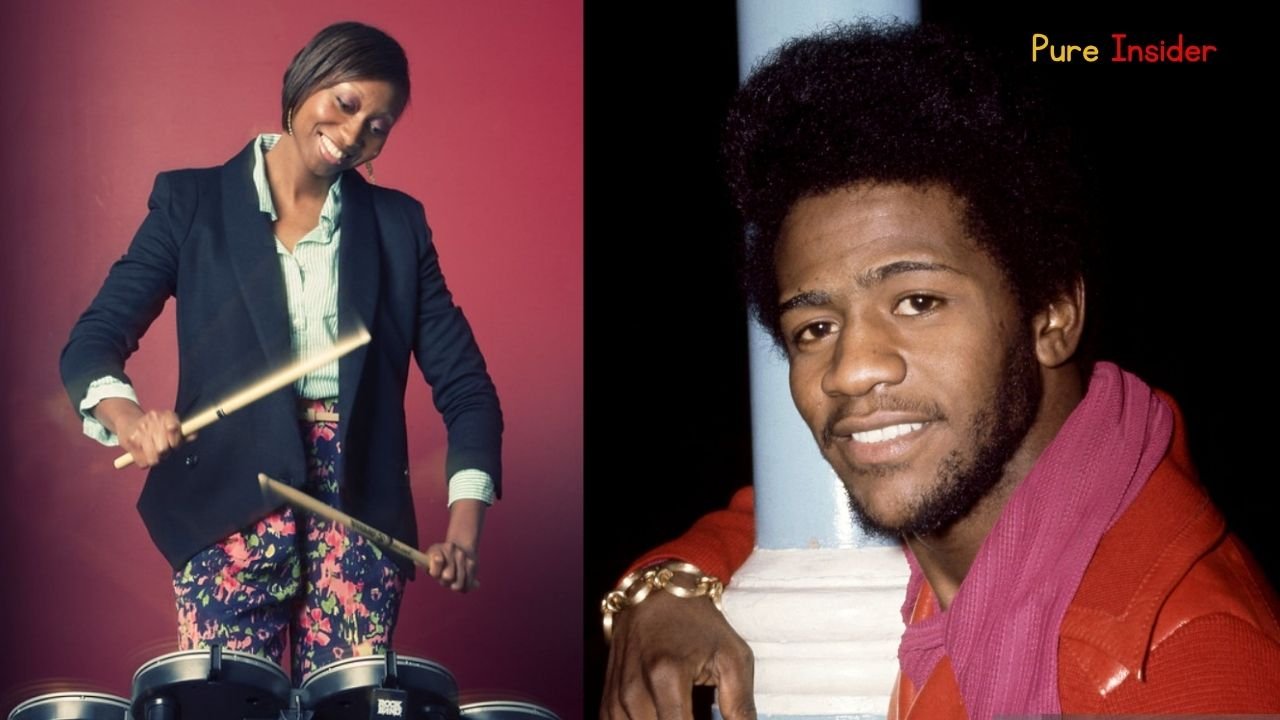
Shirley Kyles is best known to the public as the former wife of legendary soul singer and minister Al Green. However, her story extends beyond her connection to a famous musician. She was involved in church music, worked as a backup singer, helped with church administration, and later spoke publicly about her experiences during a difficult marriage.
Although information about Shirley Kyles is limited and some modern websites contain conflicting biographical claims, contemporary reporting provides a clearer picture of important periods in her life. Her story includes faith, music, family, personal struggles, and resilience.
This article explores what is reliably known about Shirley Kyles, her connection to Al Green, her role in church and music, the challenges she faced, and why her story continues to attract interest.
Who Is Shirley Kyles?
Shirley Kyles, later known as Shirley Green during her marriage, became widely known because of her relationship with Al Green, one of the most influential soul singers in American music.
However, Shirley Kyles had her own background in church and music before becoming Green’s wife. According to a detailed 1995 Washington Post report, she was originally from Chicago and had experience in church activities and music. She was serving as minister of music at Mount Vernon Missionary Baptist Church in Memphis when she became acquainted with Al Green.
Her connection to music and religion would become central to the next stage of her life. At the time she met Green, he was going through a major personal and professional transition, moving toward ministry while still maintaining connections to his successful music career.
This shared environment of church, music, and faith brought Shirley Kyles and Al Green into closer contact.
Shirley Kyles and Her Early Connection to Music
One of the most important aspects of Shirley Kyles’s background was her involvement in church music.
The church has historically played an important role in the development of gospel, soul, rhythm and blues, and other forms of American music. For many singers and musicians, church communities provided opportunities to develop vocal abilities, leadership skills, and musical experience.
Shirley Kyles was part of this tradition. According to The Washington Post, she was serving as a minister of music when she met Al Green in 1976. The report also described her as having experience in church matters and music.
Her experience eventually led her to work with Green’s musical and religious activities. She joined his group as a backup singer and also became involved with the organizational work surrounding his Full Gospel Tabernacle Church.
This period was significant because it showed that Shirley Kyles was not simply introduced to the public as a celebrity’s wife. She was already involved in the church and music environment that brought the two together.
How Shirley Kyles Met Al Green
Shirley Kyles met Al Green in Memphis in 1976.
At that point, Al Green was already famous for songs such as “Let’s Stay Together,” “Tired of Being Alone,” and “Love and Happiness.” However, he was also becoming increasingly focused on religion and ministry.
According to The Washington Post, Shirley Kyles met Green at Mount Vernon Missionary Baptist Church, where she was working in music ministry. Green asked her to help organize a backup group as he explored a stronger connection to gospel music and religious work.
Their professional relationship gradually became personal.
Shirley worked with Green as a backup singer and was also involved in administrative and organizational responsibilities connected to his church. Their shared work allowed them to spend more time together, and a relationship eventually developed.
Their story demonstrates how professional and personal relationships can sometimes become closely connected, particularly when two people share interests in music, faith, and community activities.
The Marriage of Shirley Kyles and Al Green
Shirley Kyles and Al Green married in Memphis in June 1977.
The marriage took place during a period when Green remained one of the best-known voices in American soul music while also pursuing his role as a minister and church leader.
According to the 1995 Washington Post account, the proposal came unexpectedly. Green reportedly proposed shortly before the wedding ceremony, and the couple married later that day.
From the outside, their marriage seemed to unite two people who shared an interest in religion and music. However, the relationship would later become associated with serious personal difficulties.
The public often sees celebrity relationships through headlines, photographs, or entertainment coverage. The experience of Shirley Kyles serves as a reminder that private realities can be far more complicated than the public image surrounding a famous marriage.
Shirley Kyles as a Mother
Family was an important part of Shirley Kyles’s life.
She and Al Green had three daughters together: Alva, Rubi, and Kora. In the years following the end of the marriage, Shirley’s role as a mother remained an important part of the documented story of her life.
Raising children while dealing with the difficulties of a troubled relationship created additional challenges. When Shirley later spoke publicly about her experiences, she also discussed the importance of moving forward and rebuilding her life.
Her story reflects a reality experienced by many people whose personal struggles coexist with the responsibilities of parenthood.
While much of the public interest surrounding Shirley Kyles focuses on her marriage to a famous musician, her identity as a mother was also a major part of her life.
The Difficulties in Shirley Kyles’s Marriage
The marriage between Shirley Kyles and Al Green became the subject of serious public attention because of allegations of domestic abuse.
Shirley later described abuse that she said occurred during the marriage. The Washington Post reported in 1995 that she had filed for divorce and had spoken about incidents of physical violence and threats. The newspaper also reported that Green admitted under oath that he had struck his wife.
Contemporary reporting from 1981 also documented Shirley’s divorce complaint and allegations of physical abuse and threats, showing that the marital conflict had already entered the public record at that time.
It is important to discuss this part of Shirley Kyles’s story carefully. Her public statements were not simply about a celebrity marriage. She later explained that she wanted to share her experience in the hope that it could help other people facing similar situations.
Her decision to speak about domestic violence brought attention to an issue that affects people across different communities, economic backgrounds, and social circumstances.
Divorce and a New Chapter
Shirley Kyles filed for divorce during the marriage, with court proceedings and separations occurring over several years.
According to The Washington Post, there were divorce filings in 1978 and 1981, and the marriage ultimately ended after more than five years. The newspaper’s 1995 report described the emotional difficulty of leaving the relationship and the factors that could make it hard for an individual to walk away from an abusive situation.
Leaving a troubled relationship is often more complicated than it may appear to people on the outside. Emotional attachment, family responsibilities, financial concerns, fear, hope for change, and social pressure can all influence a person’s decisions.
Shirley Kyles’s account brought some of these issues into public discussion.
Her experience also demonstrated that rebuilding life after a difficult relationship can require considerable strength and support.
Why Shirley Kyles Spoke Publicly
For many years, Shirley Kyles remained largely outside the public spotlight.
In 1995, however, she spoke openly about her experiences. According to The Washington Post, she said her decision to share her story was driven by a desire to assist others and to focus on how she survived and moved forward. She emphasized the role that prayer and faith played in sustaining her.
This decision became an important part of the public legacy associated with Shirley Kyles.
Speaking about domestic violence can be difficult, particularly when the person involved is connected to a famous public figure. Her story received attention not only because of Al Green’s celebrity but also because it addressed broader issues involving abuse, recovery, and survival.
Her willingness to speak added a human perspective to a story that could otherwise have been reduced to celebrity headlines.
Faith and Resilience in the Story of Shirley Kyles
Faith appears repeatedly in the documented history of Shirley Kyles.
Before meeting Al Green, she was involved in church music. During her relationship with him, she worked with his church and musical activities. Later, when discussing her experiences, she described prayer and faith as important sources of strength.
For Shirley Kyles, faith was therefore not simply a public identity or a professional environment. It was connected to multiple stages of her life.
Her story can be viewed as one of resilience. Resilience does not necessarily mean that a person avoids hardship. Instead, it can describe the process of continuing, recovering, and rebuilding after difficult experiences.
The public record of Shirley Kyles’s life is incomplete. Still, the information available shows a woman whose experiences included music, church service, motherhood, personal struggle, and the effort to move forward.
The Importance of Accurate Information About Shirley Kyles
Researching Shirley Kyles requires caution because there are several people with the same name, and many websites publish conflicting biographical information.
For example, an obituary records the death of Shirley Cephas Kyles in Mobile, Alabama, in July 2023. However, the available obituary does not independently establish that she was the same Shirley Kyles who was married to Al Green.
Because of this uncertainty, it is important not to automatically combine records from different individuals simply because they share the same name.
Similarly, some websites provide detailed claims about Shirley Kyles’s birthplace, education, military career, or later professional life without strong supporting evidence from major contemporary sources.
A responsible biography should distinguish between documented facts, reported claims, and information that remains uncertain.
The strongest publicly available account of Shirley Kyles, connected to Al Green, remains the detailed reporting that documented her background in church music, her marriage, her children, and her later decision to discuss her experiences publicly.
The Legacy of Shirley Kyles
The legacy of Shirley Kyles is connected to several important themes.
First, she was part of the musical and religious environment surrounding one of the most recognizable voices in soul music. Her work as a church musician, backup singer, and administrator was an important part of the period when she met and married Al Green.
Second, her personal story brought attention to the realities of domestic abuse. By speaking publicly about her experiences, she added a personal voice to a broader conversation about survival and recovery.
Third, Shirley Kyles’s story demonstrates the importance of looking beyond celebrity relationships. Public figures often dominate the historical record, while the lives and experiences of people around them can receive less attention. Her story reminds readers that the former spouses and family members of famous individuals have their own histories, challenges, and identities.
Today, interest in Shirley Kyles continues largely because people want to understand the woman behind a well-known chapter in Al Green’s life. The available evidence shows that she was much more than a celebrity’s former wife. She had her own involvement in music and church life and later used her voice to discuss difficult experiences that affected her life.
Conclusion
Shirley Kyles remains a figure of public interest because of her connection to Al Green, but her life cannot be understood solely through that relationship. She was involved in church music, worked as a backup singer, participated in church administration, became a mother, and later shared her experiences of surviving an abusive marriage.
You May Also Read: James Newman III: Biography, Family, Career, and Connection to Gladys Knight
